Revisiting the Holistic Word of the Year
Around this time last year, I shared a practice that has supported me for many years: choosing a Holistic Word of the Year. I’m sharing it again now, with a few thoughtful updates, because the practice itself hasn’t changed, but I have.
A lot of us feel drawn to setting intentions at the start of a new year, but traditional resolutions often feel rigid and hard to sustain. They tend to be closed-ended: “do this every day, hit this number, stay consistent no matter what…” And when life inevitably shifts, it’s easy to feel like we’ve fallen short.
The way I work with a word of the year is different. It’s an open-ended intention. A word that I return to throughout the year as a guide, not a goal. There’s nothing to complete and nothing to fail. It’s something you practice rather than achieve.
What’s been especially meaningful for me, and for many of my clients, is exploring that word across the 8 Dimensions of Wellness. It allows the intention to live in real life, in the body, in relationships, in work, in rest, without pressure to perform it perfectly. The word becomes something you notice, respond to, and learn from over time.
This year’s guide is largely the same foundation as last year, but I’ve updated it using feedback I received, along with insights from working with my own word over the past year. The layout is simpler, the language is softer, and I’ve added three new example words to help illustrate how this practice can look in real life: Align, Self-Compassion, and Connection.
If resolutions have never felt like a fit, this practice might offer a more spacious and supportive alternative. There’s no right way to engage with it. Let it meet you where you are.
You can download the updated Holistic Word of the Year guide using the link below.
[Download the Holistic Word of the Year Guide]
Wishing you a gentle start to the year,
Samantha
About the Author
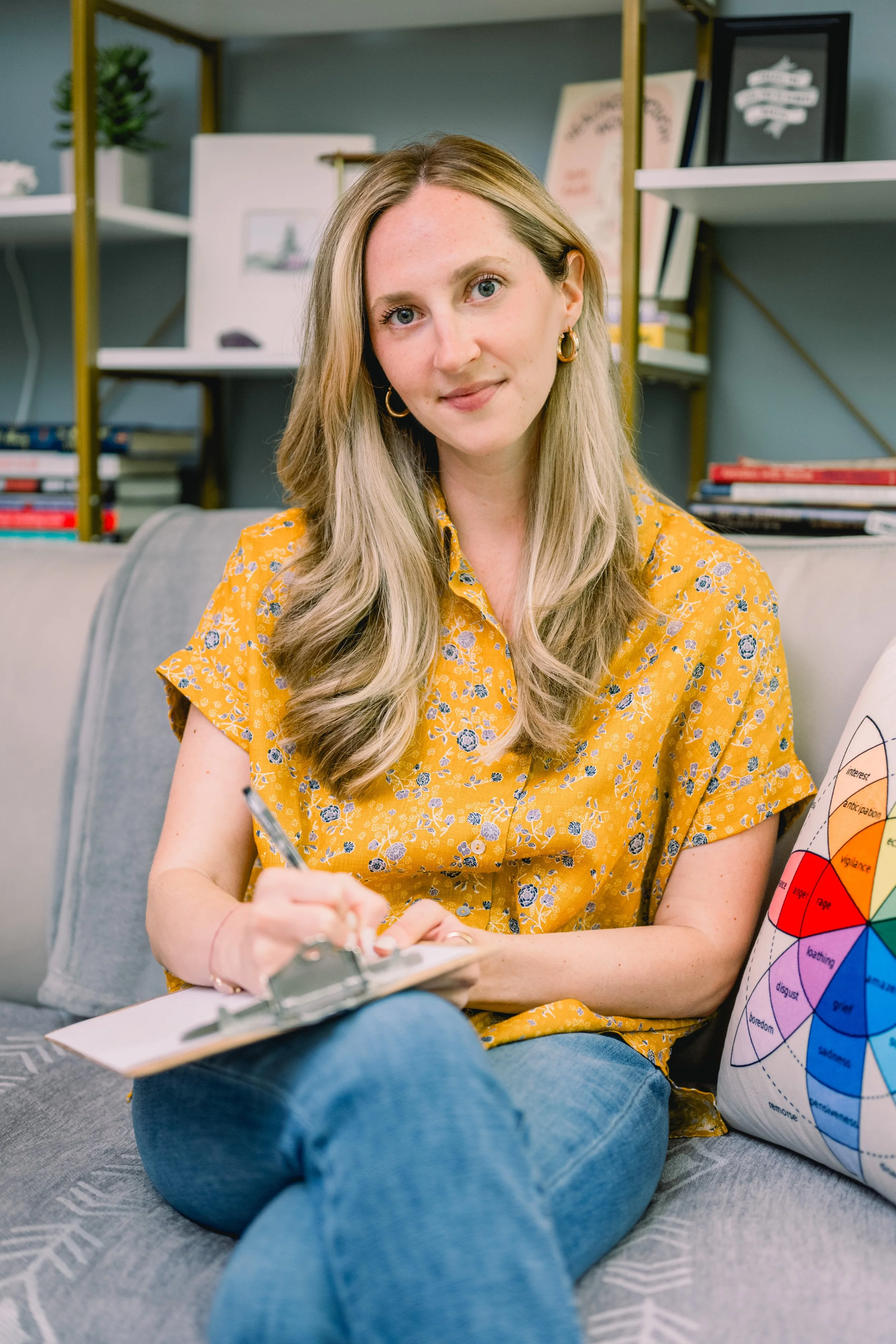
Samantha Grimaldi, MS, LPC, is a licensed therapist and the owner of CoCreate Healing Center in Tinton Falls, NJ. With a focus on trauma recovery, Samantha specializes in working with complex trauma and interpersonal trauma using Polyvagal Theory, Mindful Self-Compassion, and trauma-informed care. Through her practice, she helps clients reconnect with their bodies, regulate their nervous systems, and build emotional resilience. Samantha is passionate about supporting others on their healing journey and providing a safe, collaborative space for growth and transformation.